
Tackling Climate Change in Zimbabwe
Article by: Eric Morgen Moyo
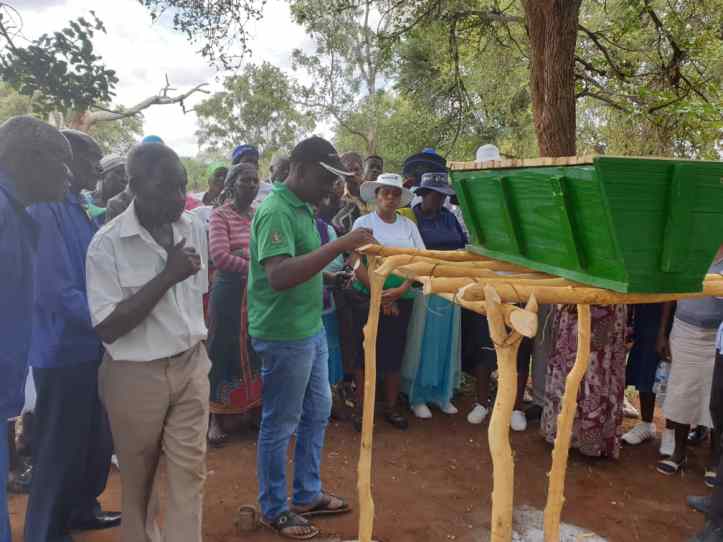
Although Zimbabwe has generally faced a massive decline in agricultural productivity over the years since the 90s, there still lies massive potential for the country to go back to its heydays of being the breadbasket of the Southern African region or even more. Besides addressing at rudimentary level just the economic and sociopolitical policies, the key to reviving Zimbabwe’s agricultural prowess lies in addressing the climate change question and tackling its impacts which have seen farmers failing to produce due to erratic rainfall patterns, excessive heat stress, drying water sources, flooding, and unusual emergence of pests & diseases. There is also need for a concerted shift towards the practice of environmentally friendly agriculture which is climate smart and sustainable. Being hugely an agro-based economy, the decline in agricultural production continues to be one of the biggest contributors to the economic doldrums currently faced in the country, and it has to be noted that this decline came as a result of a number of factors, one of the major ones being climate-change induced seasonal shifts and persistent droughts.
At the behest of climate change impacts is the drying up of major water sources such as key rivers and wetlands. This does not only curtail irrigation-led crop production, but is also a direct detriment to livestock production especially for that done by smallholder farmers. Wetlands are always known to be food banks for livestock even during times of no rain, but excessive heat waves and long spells of drought combined with human activity have seen some of these wetlands dry up and vanish. This in Zimbabwe has over the years led to the decline in the nation’s total cattle population or head count.
The impacts of climate change have hit the country from many angles and presented a myriad of challenges to both the livelihoods and economic productivity of the populace. Vulnerable groups like women and girls, and rural communities are the most affected by virtue of their positioning in the strata of accesing livelihood needs such as water, food, and energy for cooking. In Zimbabwe, rural women are in many cases the sole providers for the family in terms of caring for children, cooking and preparing food, and in many cases even fending for the livelihood needs of the whole family. They are also in most cases hugely involved in smallholder farming activities from the farm up to the markets were they vend the produce to get small income for sustaining other family needs.
With these basic realities, it is therefore always imperative that the poverty alleviation question can only be addressed adequately within the purview of involving rural women in tackling climate change impacts through climate smart projects that not only contribute to livelihood development but also to environmental preservation and reclamation.
Eric Morgen Moyo is a Climate Change Activist and the founder of Community Climate Action Trust (CCAT).
 Community Climate Action Trust