
Climate Change & Gender Disparities in Zimbabwe & elsewhere
The inevitability of climate change cannot be ignored both locally and globally. It is one issue that will remain for a long time and continue impacting on economies, affecting policy formulation and implementation, and also shaping social relations across societies. One critical aspect of Climate Change impacts is how it’s transforming our everyday lives, with the likelihood of making gender disparities an ongoing trend that will deepen as time progresses, re-shaping and strengthening the existing gender inequalities.
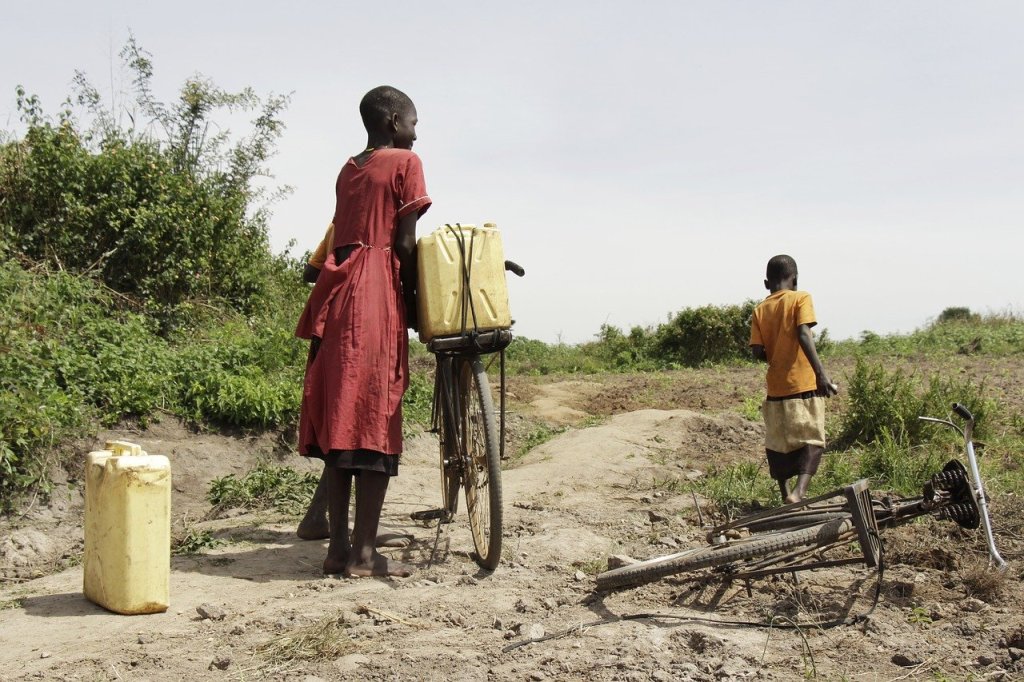
For centuries, women have been and are still the backbone of many households and societies, by providing a supportive role of accomplishing domestic chores- with fetching water as a natural prerequisite- as it lies at the epicentre of other chores. In light of climatic changes, water scarcity has been a noticeable trend both for rural and urban dwellers with big cities such as Bulawayo & Harare in Zimbabwe finding themselves struggling to adequately supply the precious liquid to an ever growing population.
With demands increasing by day in an a environment where water is becoming scarce, it is women and young girls who usually take the alternative and neccessary measures to ensure that this precious liquid remains in constant supply in their homes, either by filling containers to the brim and sometimes even engaging in risky behaviour of fetching water from unsafe sources. This is where women and young girls suffer the brunt of these climatic changes along with social injustices that come along with it, with their water fetching role becoming more pronounced in a context where the resource is becoming scarce. This therefore establishes the causal link of climate change and gender disparities. More than 80% of women and young girls face the challenges associated with water fetching responsibility, thus creating a gender imbalance of roles which seemingly looks unchangeable in our society. This gender role imbalance that is usually the source of many gender conflicts in society, usually makes women and young girls vulnerable to issues such as GBV which have become widespread in many local communities of Zimbabwe. But who has ever given thought to the impact of climate change at a household level; its effects on basic human needs such as water?
Many GBV campaigns have been conducted with the primary focus on women and the girl child in an attempt to eradicate the enervating effects caused by these gender imbalances which consequently generate GBV cases; the question is, have we ever thought of climate change as one of the major culprits in shaping or transforming societal relations as it directly affect household resource management?. Probably there are a plethora of causes linked to gender imbalances and roles, however, climate change still remains a global threat and locally as well. It will inevitably affect the governance of natural resources such as water, how it is used, how it is sourced, and ultimately the effects will be far reaching up to household level; where the relationship between a man and a woman will undergo transformation (division of labour).
We therefore have to consider climate action not as a scientific act of dealing with climatic challenges , but also a social one too. Climate change resilience is what we need so that we effectively to deal with arising social issues.
#ClimateChangeIsReal #FightGBV# lets Protect women & the girl child from GBV.
By
Genius Moyo
 Community Climate Action Trust