

By Eric Morgen Moyo
Reducing greenhouse gas (GHG) emissions globally is at a priority if the climate change crisis is to be managed. Countries like Zimbabwe, though not big emitters compared to highly industrialised developed nations like USA, China, Canada and Australia to name but a few, have an important role to play in reducing their relative GHG emissions. Through her first Nationally Determined Contributions (NDCs) to the United Nations Framework Convention on Climate Change (UNFCC) (2015), Zimbabwe committed to reduce GHG emissions by 33% per capita by 2020 (this is the Mitigation Contribution for Zimbabwe given as a percentage below the projected Business as Usual energy emissions per capita by 2030).
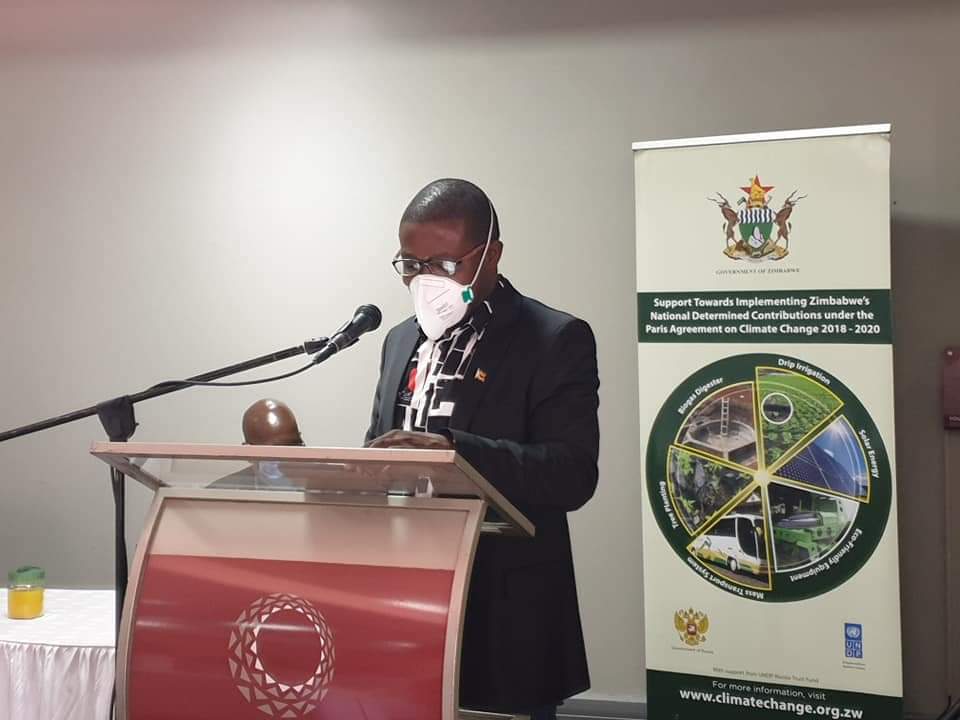
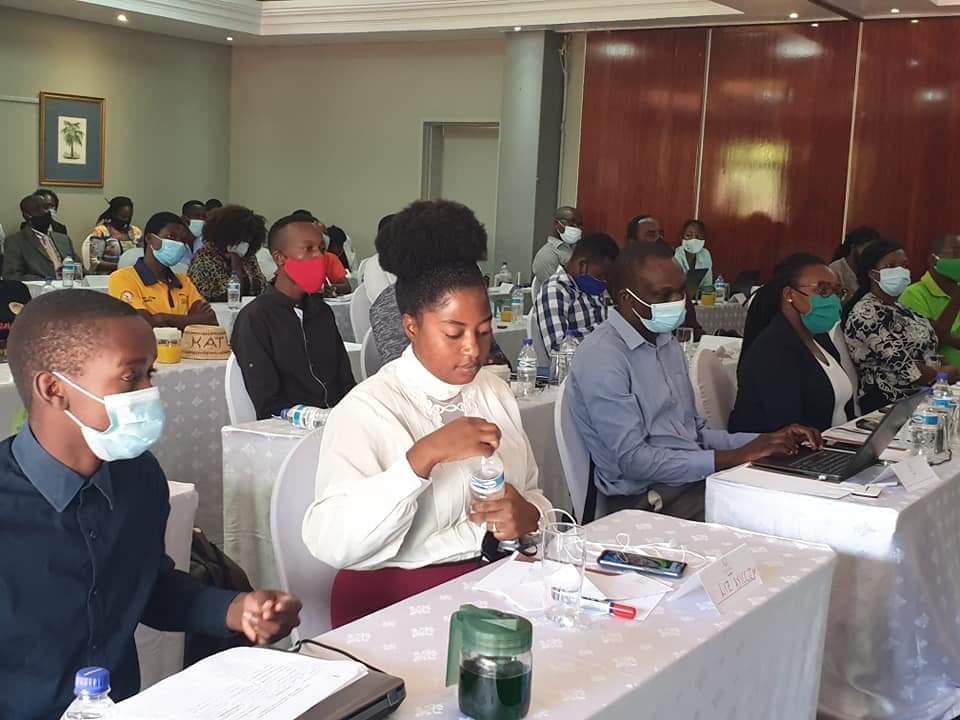
On the 18th and 19th of March 2021, young people representing various climate action organisations and institutions from across Matabeleland South, Matabeleland North, and Bulawayo, converged in Bulawayo’s Cresta Churchill Hotel to discuss and map the new NDCs and ensure the outcomes of the process were youth centred. As part of mapping the NDC development process, a comprehensive position paper is set to be produced as a way of consolidating youth voices from across the country on the subject. The whole process which is set to continue to other provinces is supported by the Ministry of Environment, Climate, Tourism and Hospitality Industry’s Climate Change Management Department, UNDP, and AYICC. The event saw facilitations from various relevant departments, which included, Environmental Management Authority (EMA), Ministry of Agriculture, and Ministry of Energy and Power Supply amongst others, and these guided the youth in crafting their needs in relation to driving the set NDC targets.
The Environment Minister, Honorable Nqobizitha M. Ndhlovu urged the youth to be robust and unapologetic in their climate action demands and advised that the Ministry was ready to fully support any good initiatives aimed at addressing environmental and climate change issues the nation faces. He also urged the youth to fully utilize and make it a point that they understand climate change management process at all levels. “I am hoping that by the end of this workshop, youth representatives will have a clear understanding of the NDC enhancement process and have agreed on issues to be considered. Participants would also have a clear understanding of climate change management at national and international level.”
Besides the Dialogue on the Mapping of the NDCs, the youth present witnessed the first signing of the partnership agreement between the Ministry and State Universities on a program to conduct a climate change mainstreaming training program targeting members of their respective provincial development committees. The institutions present for the signing included National University of Science and Technology (NUST), and Lupane State University (LSU). The other universities yet to sign the partnership agreement include; Midlands State University (MSU), Great Zimbabwe University (GZU), Bindura University of Science Education (BUSE), and Chinhoyi University of Technology (CUT).
Bulawayo Polytechnic, represented by its principal, Engineer Mabasa, also received Information Communication Technologies equipment during the event. This is part of the government’s thrust to capacitate local tertiary institutions in ICTs to ensure that they are in tandem with the fourth industrial revolution.
©CCAT
Follow us on Facebook
Or on Twitter
 Community Climate Action Trust