
Climate change is one of the most pressing issues of our time and its impacts are already being felt around the world. The most vulnerable communities are facing the brunt of these impacts and it is crucial that climate justice is prioritized in order to tackle this problem.
Climate change is having a detrimental impact on the environment and societies around the world. The impacts of climate change are diverse and include sea level rise, increasing temperatures, extreme weather events, and loss of biodiversity. These changes are causing disruption to ecosystems, economies, and the lives of people around the world. In terms of environmental impacts, climate change is causing sea level rise which is leading to coastal flooding and erosion. This is having a serious impact on coastal communities and economies, as well as disrupting marine ecosystems. Increasing temperatures are also causing extreme weather events such as heat waves, droughts, and floods which can have devastating effects on communities and ecosystems. The loss of biodiversity is another serious consequence of climate change, as species are having to adapt to new environments or face extinction.
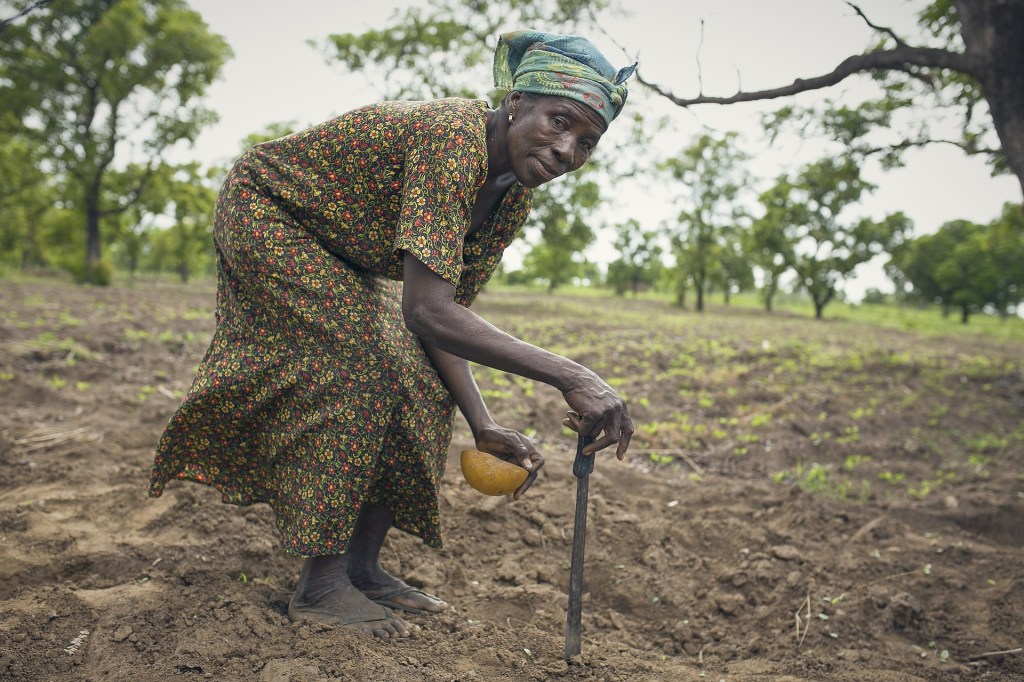
On a societal level, climate change is having an impact on people’s lives in many ways. It is leading to food insecurity as crop yields are decreasing due to increasing temperatures and extreme weather events. It is also leading to economic inequality as poorer communities are disproportionately affected by climate change and unable to access the resources they need to adapt. Finally, it is causing displacement as people are forced to leave their homes due to rising sea levels or extreme weather events.
Climate Change and Public Health
Climate change is also having a serious impact on public health. The increasing temperatures and extreme weather events associated with climate change are leading to the spread of vector-borne diseases such as malaria and dengue fever. These diseases can have serious health consequences and can disproportionately affect those in low-income communities who are unable to access healthcare. Air pollution is another public health concern linked to climate change. The burning of fossil fuels is one of the major causes of air pollution and this is having a serious impact on public health, as it can cause respiratory problems and aggravate existing conditions such as asthma.
In recent years, the frequency and intensity of wildfires which can cause air pollution and have serious health effects has been on overdrive.
Climate Change and Food Security
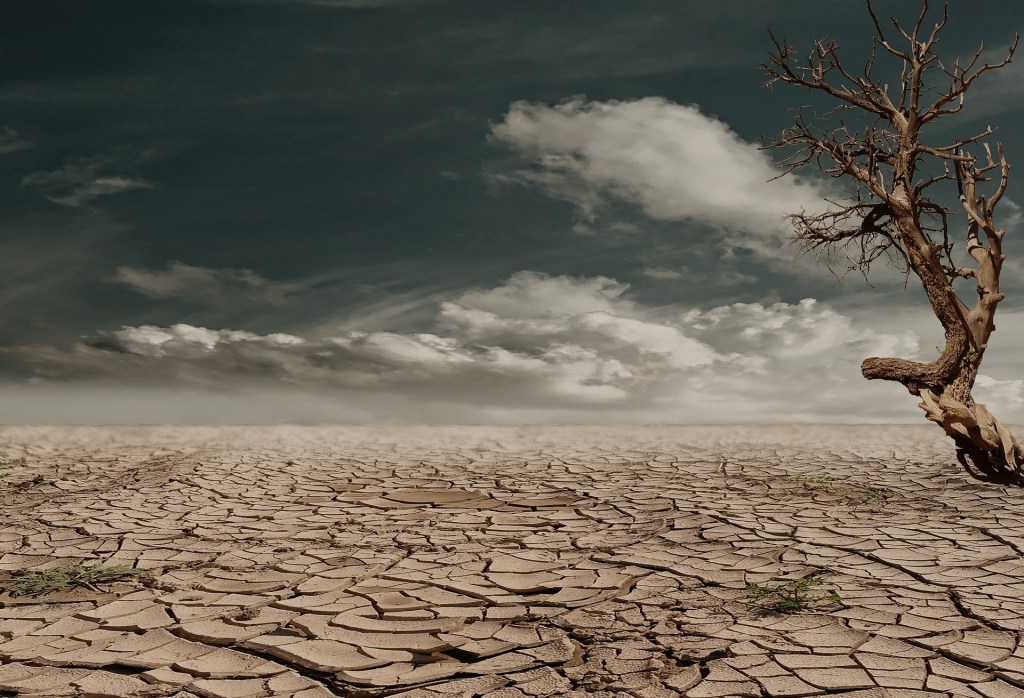
One of the heavily felt effects of climate change is its serious impact on food security. Increasing temperatures, extreme weather events, and droughts are all leading to crop yields decreasing, which means that there is less food available and food prices can become unaffordable. This is leading to dire consequences on communities around the world, as climate-induced food insecurity has evidently led to increasing cases of malnutrition and health problems.
Climate Change and Inequality
The contribution of Climate change to economic inequality can never be overlooked. Poorer communities and the most vulnerable are disproportionately affected by the impacts of climate change, as they are unable to access the resources they need to adapt. This is leading to increased poverty, as people are unable to access the resources they need to survive. This economic inequality is also fuelled by the reality that those who are most responsible for climate change, such as large corporations and governments, are not held accountable for the damage they are causing. This at the end of the day means that those who are most affected by climate change are not receiving the resources they need to adapt, while those who are responsible are not paying their fair share of the costs.
Climate change impacts are also contributing seriously to displacement of people. Rising sea levels are leading to coastal communities being forced to leave their homes and seek refuge elsewhere. Extreme weather events such as floods and droughts are also forcing people to leave their homes. This can have a serious impact on communities, as those who are displaced may not have access to the resources they need to thrive in their new homes.
How Climate Justice can be Achieved
For Climate justice to be a reality those who are most vulnerable to the impacts of climate change should be prioritized in decision-making processes. This means that those who are most affected by climate change, such as women & youth, low-income communities, Indigenous communities, and persons with disabilities should have their voices heard and their needs taken into consideration. Climate justice also means that those who are responsible for climate change, such as large corporations and governments, should be held accountable and take responsibility for the damage they are causing.
Climate justice can be achieved through the implementation of policies and programs that prioritize the needs of those most affected by climate change. This can include providing access to resources such as clean water, food, and energy, as well as investing in renewable energy sources and protecting natural ecosystems. It also means holding those responsible for climate change accountable and making sure they are paying their fair share of the costs.
 Community Climate Action Trust