
As Cyclone Freddy Lingered on, so did its devastating impacts in Malawi. Having now been described as the longest lasting tropical storm in history, it is clear how the cost of climate change continues to wreck havoc globally, especially regions like Southern Africa with lower disaster risk reduction capacities.
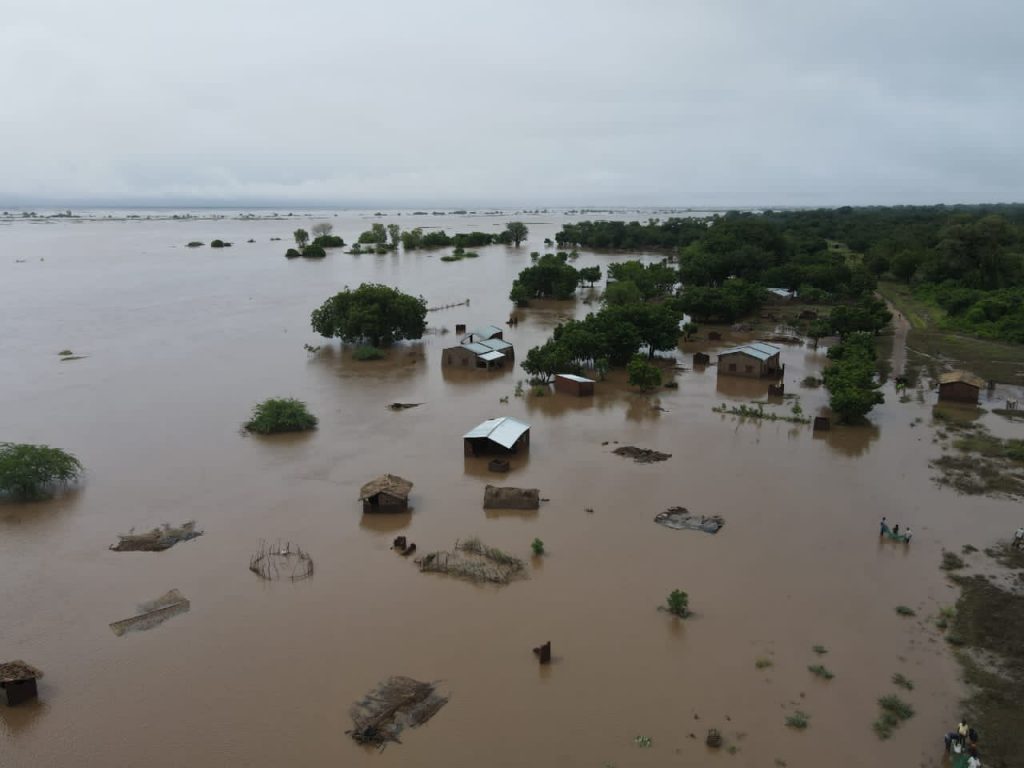
The devastating impacts of Cyclone Freddy left more than four hundred people dead, and tens of thousands displaced in Malawi’s hardest hit towns inclusive of Blantyre. Floods, mudflows, intense rainfall and wind left many at the mercy of the elements as help was nowhere to be found. Survivors still remain in shock after seeing friends, family members, children and houses get washed away and swallowed by the mudflows.
“We were alone, no one was here to help us; not even the government was here to rescue us,” Mr. Chikwali, a resident says in tears.
Cyclone Freddy has been confirmed to be the longest lasting Cyclone in recent history, and is testament to the worsening impacts of climate change. It also comes just a few months since the establishment through COP27 of the Loss and Damage Funding mechanism, whose modalities are yet to materialise. Malawi is one of the most vulnerable countries that bears the brunt of climate change impacts though it’s contribution to climate change is less than 0.2% of global greenhouse gas emissions. In fact Southern African countries combined have contributed less than 2.5% of historical greenhouse gas emissions that have led us to be where we are today.
International aid and support to affected communities has since started to trickle in, but this has been perceived to be a little too late. The Community Climate Action Trust has cautioned that without adequate support and disease outbreak risks mitigation measures taken urgently, waterborne diseases like cholera could soon spread given the cases already reported in neighbouring countries like Zimbabwe.
@ccatnews
 Community Climate Action Trust